Destination briefing
Why travelers stop here
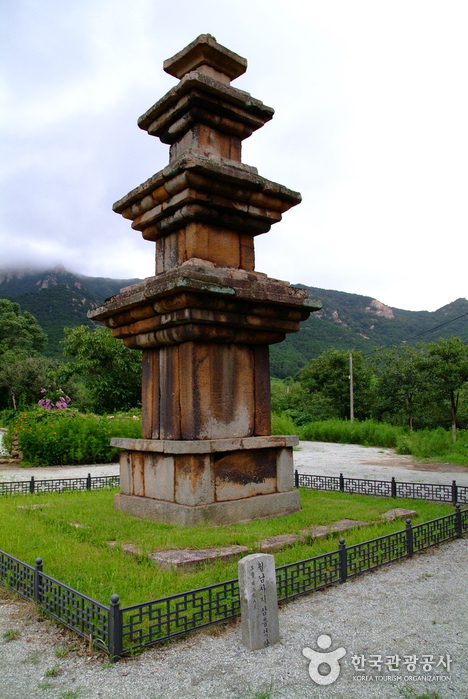
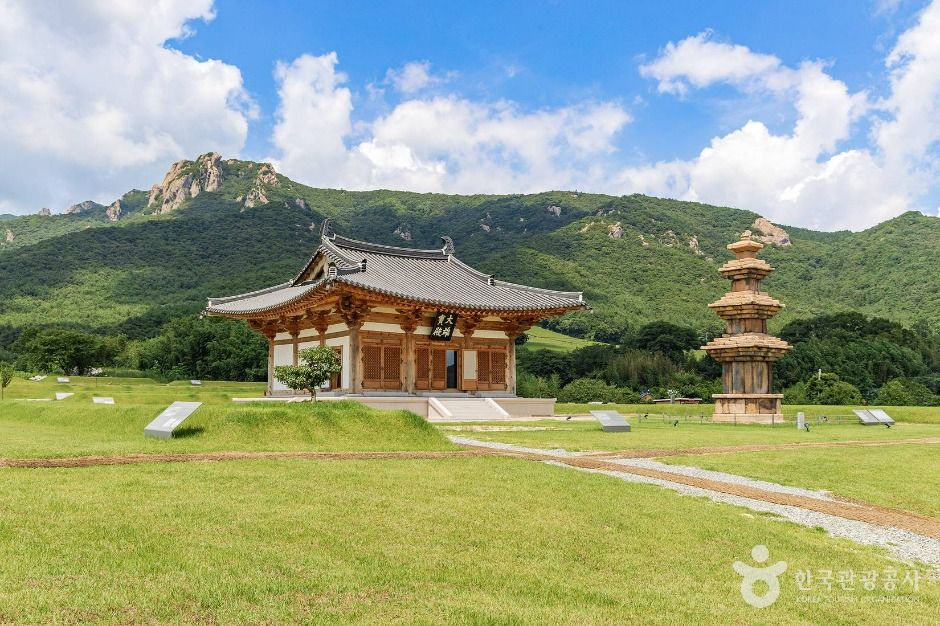
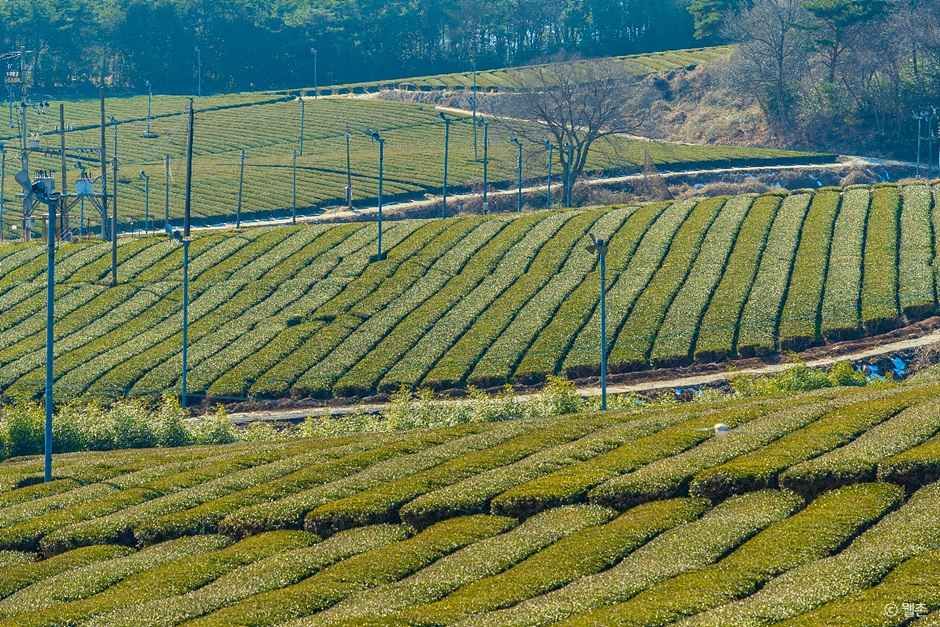
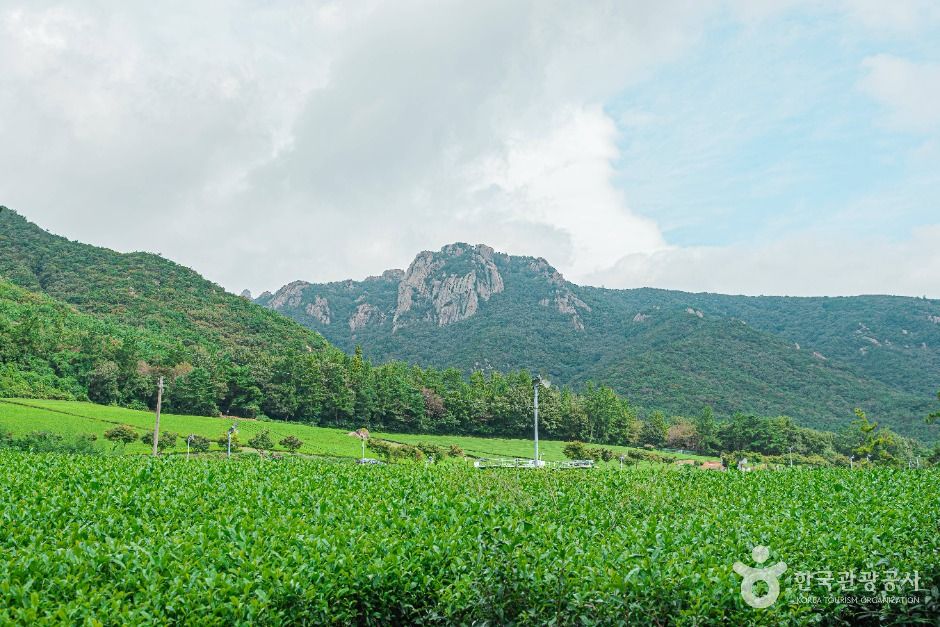
Jingak Guksa's surname was Choi, and his given name was Hyesim. He passed the Samasi (civil service examination) at the age of 24, but after his mother's death, he became a monk. After becoming a monk, he practiced asceticism under Master Bojo. When King Gojong ascended the throne, he became the Great Seon Master (Daeseonsa). He passed away in the 21st year of King Gojong's reign (1234) at the age of 57. This stele standing at the site of Wolnam Temple was erected to commemorate Jingak Guksa, who founded the temple. The stele is in the form of a body stone placed on a tortoise-shaped pedestal. The tortoise pedestal holds a bead in its mouth, stretches out its long neck, and firmly plants its four feet, presenting a very intense and realistic appearance. The realism seen in the claws and the detailed expression of the neck and head carvings harmonize well with the overall balance. The body of the stele is said to have been very large originally, but the upper part has broken off, leaving only the lower part. The surface is severely worn, making the inscription difficult to read. This inscription is said to have been composed by the literary figure Yi Gyu-bo of the time, and the stele is estimated to have been erected during the reign of King Gojong of the Goryeo Dynasty. At the old site of Wolnam Temple (Wolnam Temple Site), the Three-story Stone Pagoda (Treasure No. 125) remains. Nearby, there are Seolrok Dawon Gangjin, Baekundong Garden, and Geumneung Gyeongpodae, where one can enjoy a serene atmosphere.
OTA-ready stop
Built into inbound routes and day-tour planning.
Local context
전라남도 강진군 성전면 월남1길 106-1
Travel fit
Attraction · Jeollanam-do


![[Early bird] Elysian Gangchon Ski & Snowboard Gugok Ice Wall Tour](/_next/image?url=https%3A%2F%2Fadmin.holidaykr.com%2Fapi%2Fadmin%2Fsystem%2Fbasic-settings%2Ffavicon%3Fpath%3D%252Fuploads%252Fproducts%252Fthumbs%252F750_1792085658746_file1.webp&w=3840&q=75)