Destination briefing
Why travelers stop here
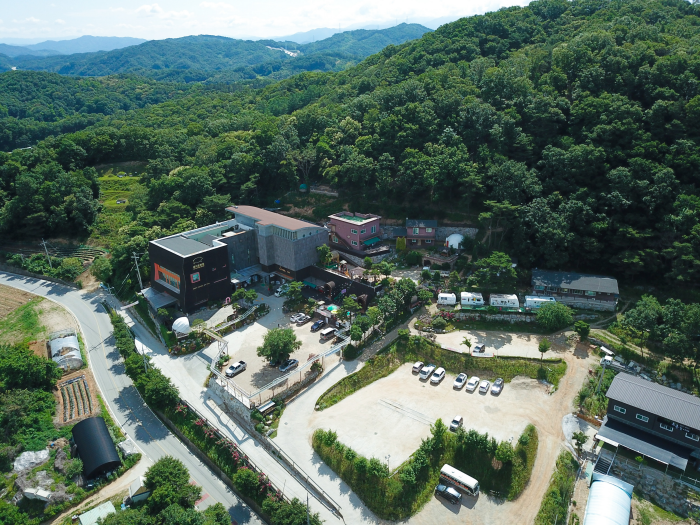
In early spring when the scent of flowers begins to bloom, Maeho-ri, Hojeo-myeon, Wonju-si comes alive with the Maehwa (Plum Blossom) Festival, where the fragrance of plum blossoms tickles your nose. The spring of Maehwa Village, where the entire village is filled with plum blossoms creating a spectacular sight, is a precious asset that city dwellers can take pride in. Maehwa Village is also a village that took the lead in the anti-Japanese independence movement long ago, and the affectionate hearts of those who miss their hometown have been turned into a park called Hyangdong Park (Hometown Garden), offering warm inspiration. Furthermore, a filial piety monument was erected to honor a devoted child, making this a place rich with stories—scenery, hospitality, and food alike.
Notable attractions in Maehwa Village include Seomgang River and Sogunsan Mountain. Although Seomgang River is not a famous spot, it boasts clear water and abundant food sources, enough to form a bird colony. In particular, Seomgang River is a tributary of the Han River, which serves as the drinking water source for ten million Seoul citizens, so most local farms cultivate crops using eco-friendly farming methods. Sogunsan Mountain, which embraces the village from behind, has well-maintained hiking trails and produces many wild greens in spring and autumn, making it popular for visitors to directly pick unique edible herbs. At the village entrance, two zelkova trees over 350 years old stand proudly like guardian deities protecting the village.
OTA-ready stop
Built into inbound routes and day-tour planning.
Local context
강원특별자치도 원주시 호저면 매호로 135
Travel fit
Attraction · Gangwon-do


![[Early bird] Elysian Gangchon Ski & Snowboard Gugok Ice Wall Tour](/_next/image?url=https%3A%2F%2Fadmin.holidaykr.com%2Fapi%2Fadmin%2Fsystem%2Fbasic-settings%2Ffavicon%3Fpath%3D%252Fuploads%252Fproducts%252Fthumbs%252F750_1791455110103_file1.jpg&w=3840&q=75)