Destination briefing
Why travelers stop here
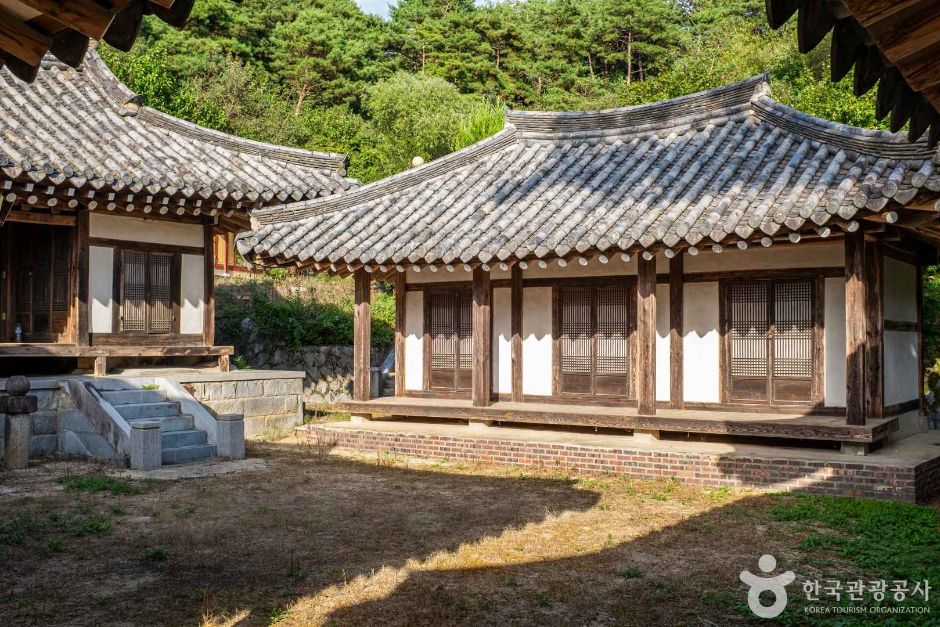
Bongsanseowon, located in Bonghwa-eup, Bonghwa-gun, was established in 1793 (the 17th year of King Jeongjo's reign) by local Confucian scholars to commemorate the scholarship and virtue of Joseon Dynasty civil official Kim Jong-geol (1628–1708). It is also called Bongsan Confucian Shrine. The shrine housed the spirit tablet of this esteemed Confucian scholar and conducted ancestral rites, while also serving as a local educational institution. However, during the Heungseon Daewongun's closure of private academies, it was demolished in 1868 (the 5th year of King Gojong's reign) and later restored in 1925, continuing to the present day.
The precincts include the memorial shrine Sungdeoksa, Bongsandang Hall, Sinmun Gate, Jillye Gate, and Juso (accommodation). The gate quarters with a ritual officer's room and the main building in a straight line form a ㅁ-shaped layout. Sungdeoksa enshrines the spirit tablet of Kim Jong-geol. Bongsandang Hall, the lecture hall, consists of a central wooden floor and side rooms; the floor is used for various events and Confucian gatherings, the east side room serves as a seat and special officer's room, and the west side room is used as an offering official's room. Sinmun Gate is used only as an entrance for ritual officials during ancestral rites, which are held annually in the middle month of spring (March) and autumn (September).
OTA-ready stop
Built into inbound routes and day-tour planning.
Local context
경상북도 봉화군 봉화읍 예봉로 1840
Travel fit
Attraction · Gyeongsangbuk-do
![[Early bird] Elysian Gangchon Ski Tour from Seoul (5 pick-up points)](/_next/image?url=https%3A%2F%2Fadmin.holidaykr.com%2Fapi%2Fadmin%2Fsystem%2Fbasic-settings%2Ffavicon%3Fpath%3D%252Fuploads%252Fproducts%252Fthumbs%252F750_1785201339504_file1.jpg&w=3840&q=75)