Destination briefing
Why travelers stop here
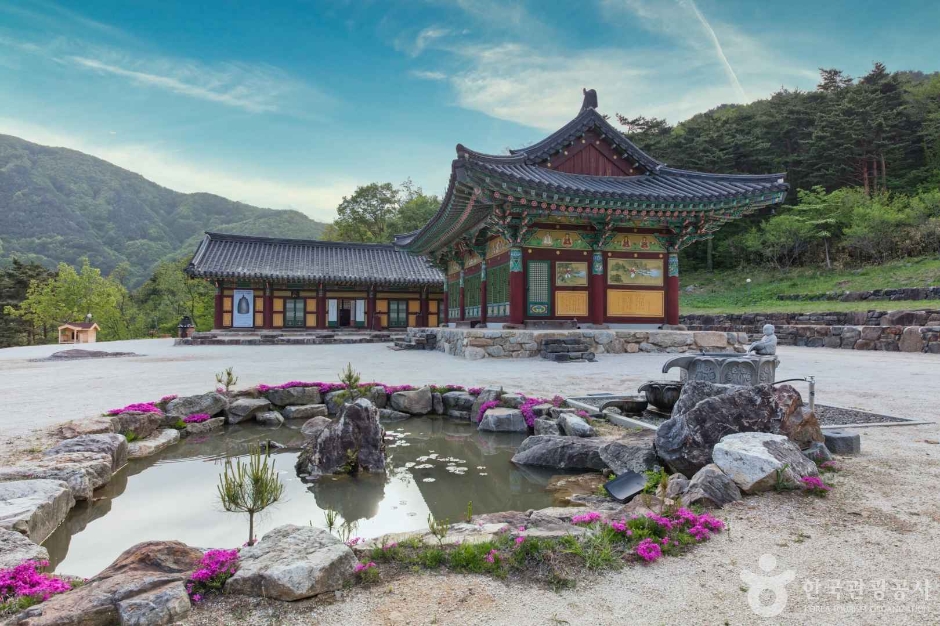
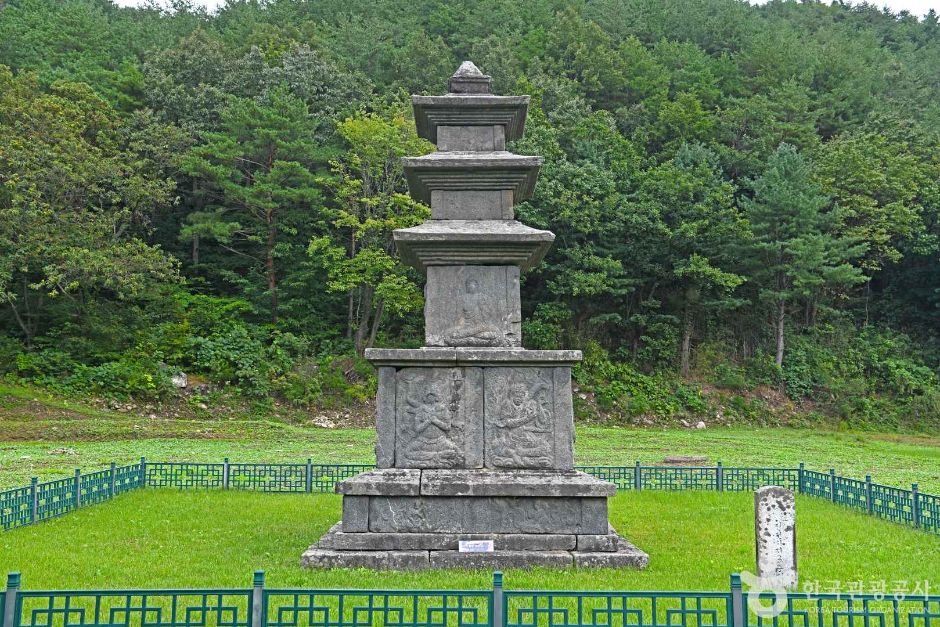
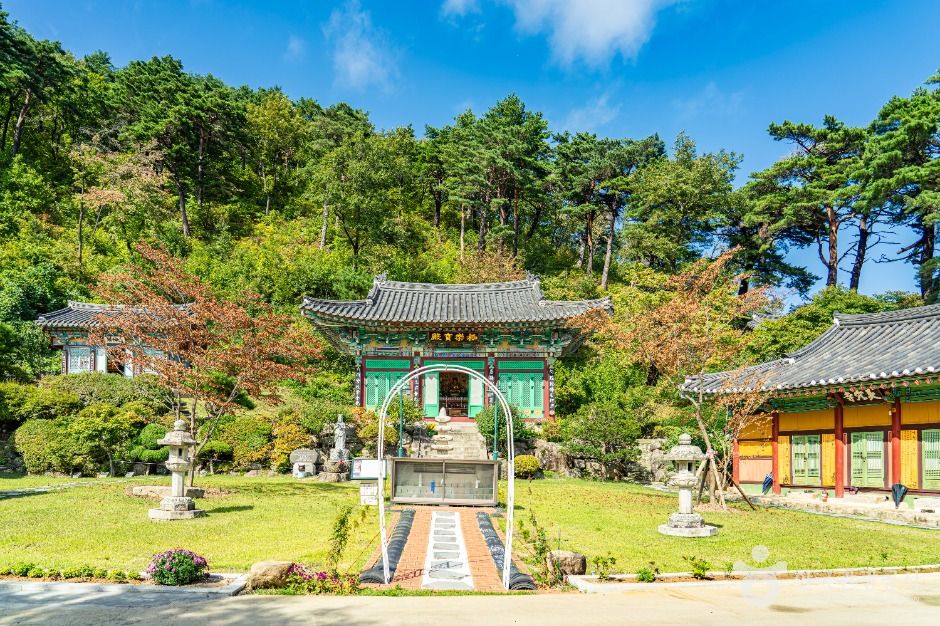
This stupa stands on a small hill within the site of Jinjeonsa Temple, overlooking the East Sea in the distance, and is presumed to be the memorial stupa of Master Doui, who founded Jinjeonsa Temple. Doui studied in Tang China in the 5th year of King Seondeok (784) and returned to Korea in the 13th year of King Heondeok (821), attempting to spread the Seon (Zen) sect. However, at that time, only the Kyo (Doctrinal) sect was valued, so he did not stand out and instead entered this temple to cultivate, where he passed away. Unlike typical stupas, this one has an octagonal body (tapsin) while its lower part features a two-tiered square base (gidan) like a stone pagoda, arousing the curiosity of viewers. The two-tiered base has pillar shapes carved at each corner and center of every side, and above it rests an octagonal stone to support the body, with lotus flowers carved around its sides. The body, shaped like an octagonal tiled roof, has only a door-shaped carving on one side and no other decorations. The roof stone has an almost horizontal underside, with the eaves sloping gently down and curving softly upward at the ends. The structure of the base, which resembles that of a stone pagoda, is not found elsewhere. As the memorial stupa of Master Doui, it marks the starting point of Korean stone memorial stupas (seokjong budo), and it is thought to have been erected around the mid-9th century. Overall, the stone is firmly and meticulously dressed, conveying a sense of neatness, and the restrained, simple carvings are clear and lucid.
(Source: Cultural Heritage Administration)
OTA-ready stop
Built into inbound routes and day-tour planning.
Local context
강원특별자치도 양양군 강현면 화채봉길 368
Travel fit
Attraction · Gangwon-do

![[Early bird] Elysian Gangchon Ski & Snowboard Gugok Ice Wall Tour](/_next/image?url=https%3A%2F%2Fadmin.holidaykr.com%2Fapi%2Fadmin%2Fsystem%2Fbasic-settings%2Ffavicon%3Fpath%3D%252Fuploads%252Fproducts%252Fthumbs%252F750_1791455110103_file1.jpg&w=3840&q=75)