Destination briefing
Why travelers stop here
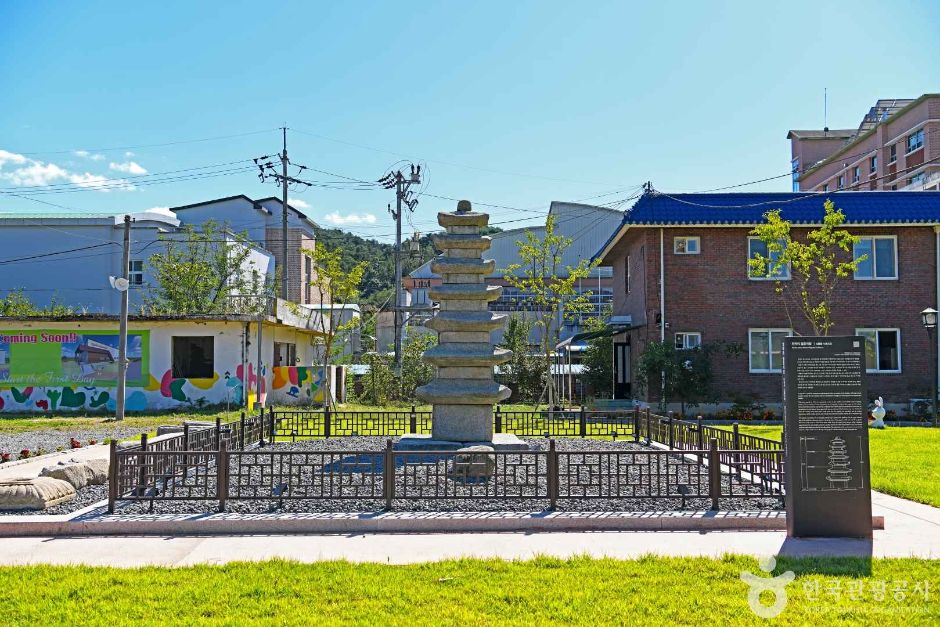
The Yongam-ri Prehistoric Site in Hwacheon is a large-scale Bronze Age village site located in Hanam-myeon, Hwacheon-gun, Gangwon-do. This site was formed on the alluvial plain of the upper Bukhangang River, which flows around the Wira-ri and Yongam-ri areas. As a result of excavations conducted by the Gangwon Cultural Heritage Research Institute from 2001 to 2003, over 230 features were discovered, including 176 pit houses, 32 pit features, 14 post-hole buildings, and 11 pit tombs, making it the site with the highest density of Bronze Age features in Korea. The Bronze Age settlement formed in the Yongam-ri area of Hwacheon dates from at least around the 10th century BCE to the 6th century BCE. It is evaluated as a very important site for studying the lifestyle and cultural aspects of the upper Bukhangang River basin during the Bronze Age, the history of residential development, and the diffusion routes of Bronze Age culture. Its preservation value is significant as it is a village site rarely found even in East Asia.
Among the excavated artifacts, a large number of flake stone tools (partially ground flakes) were found, along with various types of stone axes and stone arrowheads. These stone tools were excavated in complete or semi-complete forms typical of Bronze Age sites, allowing for the estimation of stone tool production and transformation processes. The Yongam-ri Prehistoric Site, formed from the early to late Bronze Age (12th century BCE to 5th century BCE), along with the nearby Georye-ri site, provides valuable data for researching the prehistoric lifestyle and cultural patterns of the upper Bukhangang River region.
OTA-ready stop
Built into inbound routes and day-tour planning.
Local context
강원특별자치도 화천군 하남면 용암리 1121번지
Travel fit
Attraction · Gangwon-do



![[Early bird] Elysian Gangchon Ski & Snowboard Gugok Ice Wall Tour](/_next/image?url=https%3A%2F%2Fadmin.holidaykr.com%2Fapi%2Fadmin%2Fsystem%2Fbasic-settings%2Ffavicon%3Fpath%3D%252Fuploads%252Fproducts%252Fthumbs%252F750_1791455110103_file1.jpg&w=3840&q=75)