Destination briefing
Why travelers stop here
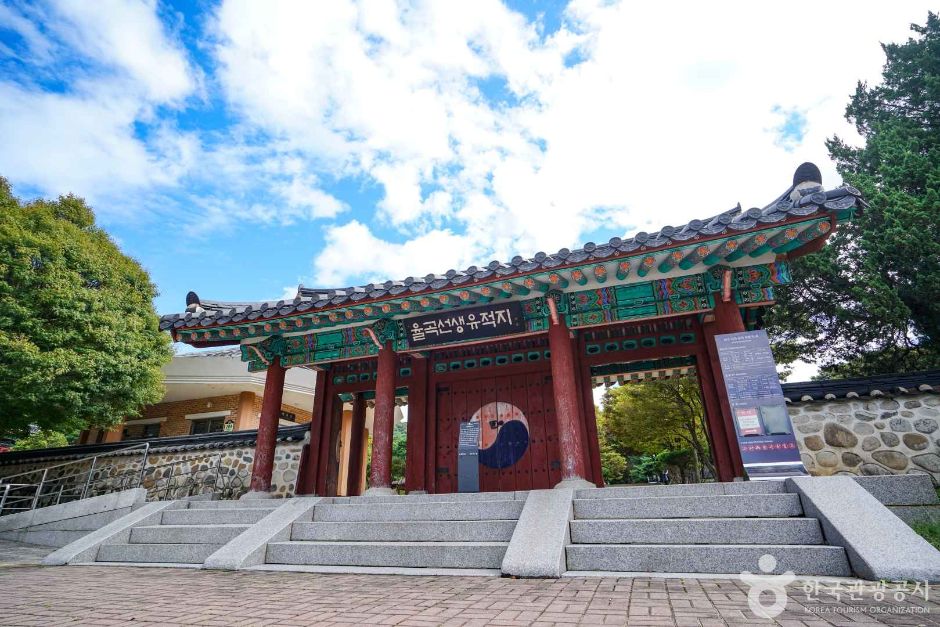
A Confucian academy located in Paju-si, Gyeonggi-do, established to honor the scholarship and spirit of Yulgok Yi I, a scholar of the late Joseon Dynasty. Confucian academies were private local educational institutions of the Goryeo and Joseon periods, founded to enshrine the mortuary tablets of eminent Confucian scholars, conduct ancestral rites, and provide education and moral guidance to local residents. In 1615, local Confucian scholars founded the academy to commemorate Yi I's learning and virtue, enshrining his mortuary tablet. In 1650, it was granted the name 'Jaun' (紫雲) by the royal court. Later, Kim Jang-saeng and Bak Se-chae were additionally enshrined, and the academy oversaw the veneration of former sages and local education. In 1868, it was demolished under the regent Daewongun's decree abolishing Confucian academies, but in 1969, it was restored with funds from local Confucian scholars and national subsidies, and later repaired. The precincts include a six-bay shrine with a hipped-and-gable roof, a gate, and east and west side gates. Outside the wall stands a monument stele. On the left ridge of the academy are the tombs of Yi I and his parents, and nearby is the Yulgok Education Center established by the Gyeonggi Provincial Office of Education. In the shrine, Yi I is enshrined as the main tablet, with Kim Jang-saeng and Bak Se-chae on the left and right. The academy is designated as a Gyeonggi-do Monument, and the monument stele is designated as a Gyeonggi-do Tangible Cultural Heritage. The area around Jaunseodang is known as the first place in Paju to announce autumn foliage, making it a famous spot for maple leaf outings. In particular, the colorful maple tree path in front of the Yulgok Memorial Hall is renowned, attracting many tourists as a popular photo spot.
OTA-ready stop
Built into inbound routes and day-tour planning.
Local context
경기도 파주시 법원읍 자운서원로 204
Travel fit
Attraction · Gyeonggi-do

![[Early bird] Elysian Gangchon Ski & Snowboard Gugok Ice Wall Tour](/_next/image?url=https%3A%2F%2Fadmin.holidaykr.com%2Fapi%2Fadmin%2Fsystem%2Fbasic-settings%2Ffavicon%3Fpath%3D%252Fuploads%252Fproducts%252Fthumbs%252F750_1791455110103_file1.jpg&w=3840&q=75)